
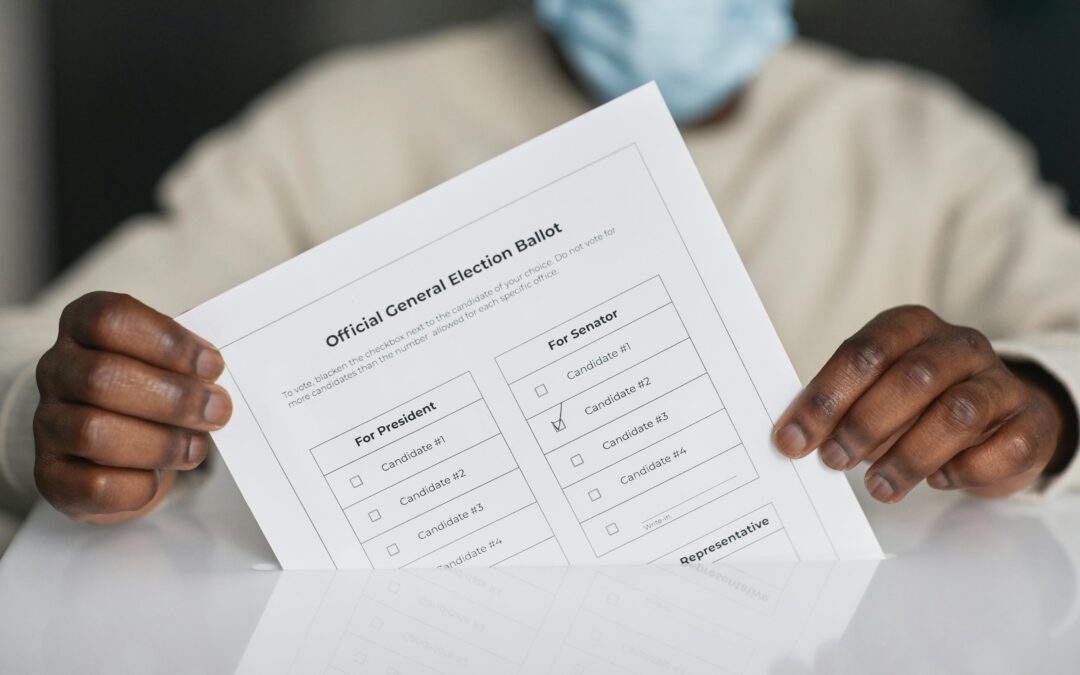
An undercooked positive impact of meaningful public participation might be increased voter turn-out. Whilst we have no hard data about that, it’s clear that low citizen participation at election times (c.30% in the UK for decades) is not healthy. It signals that something is off. And while some quick fixes may lie in broader eligibility rules or even e-voting, the underlying reason people don’t vote is that they feel they will not make a difference. One thing is for sure, people rarely see the link between their consultation input and electoral outcomes, which erodes trust in both.
In a handful of countries (notably Belgium, Cyprus and Luxembourg in the Eurozone), it is a legal requirement to vote and you could get fined if you don’t (a ‘duty to vote’). The Electoral Commission calls this ‘compulsory voting’ and their own conclusion is “While higher turnouts in countries with some form of compulsory voting are not solely the product of such arrangements, it is clear from the available evidence that compulsory voting both increases aggregate turnout and reduces the variation in turnout rates among different groups. Less clear is the effect compulsory voting has on political engagement more generally, encompassing political interest, knowledge and participation. The available evidence does suggest that compulsion is less effective in promoting better public knowledge of politics or in increasing political engagement.”
To test assumptions, a website called ‘NotApathetic’ was built a number of years ago for UK citizens who were planning to vote in the General Election on May 5th 2005. The aim of the site was to collect expectations from the electorate. Hence NotApathetic became an online place where non-voters told the world why. One of the aims of this site was to let people respond to politicians and journalists who like to theorise about why people choose to stay at home, often attributing motives which aren’t true.
Low turn-out raises questions about legitimacy and the ‘silent majority’, so how can consultation and engagement professionals help? How we might better join-up everyday public participation and electioneering? For starters, there is a wealth of voter data that doesn’t come near consultation teams and a clear disconnect between what is promised in a manifesto and what eventually gets delivered (that’s why we love initiatives such as this).
A simple idea might be an engagement opportunity after you have voted, as simple as ‘how was your voting experience?. Voting papers could have a written feedback section. The whole voting experience could be overhauled (imagine if you could talk to an AI representation of each candidate).
Perhaps more simply, every formal consultation could come with more political nuance. The truth is that many controversial public consultations (and their outcome) are based on political brinkmanship. Rarely can participants discover which elected members are for or against proposals, let alone who is the portfolio holder. In other words, making consultation track records part of the electoral accountability loop.
A timely example of the interwoven relationship between policymaking and public consultation was recently in the news. Nigel Farage has come out and said that people who vote for the Green party should have detention centers in their constituency because they are more tolerant of them. Does that mean that each consultation should therefore be framed by what the local politics dictate or be weighted by voter preferences?
There are many opportunities at our fingertips. We could tie accountability for past decisions to elected representatives at the next election. A single verified identity (like GOV.UK Verify or similar) could let citizens engage in consultations and voting through the same trusted channel, lowering friction and connecting participation data. A consultation outcome that was unpopular could even trigger a ballot.
The reason why we posted this is not just about timing, it’s about empowerment. We really think that consultation and engagement professionals can make a difference, if they choose to seize the moment and work more closely with democratic services.